 (1).png)
.webp)
.png)
.png)
.png)
.png)


Have Query ? Reach Out To Us!
Mail To:
info@easyconsultants.org
.png "Easy Consultants")
Have Query ? Reach Out To Us!
Capital Funding for Land Acquisition: The Complete Guide for Smart Investors
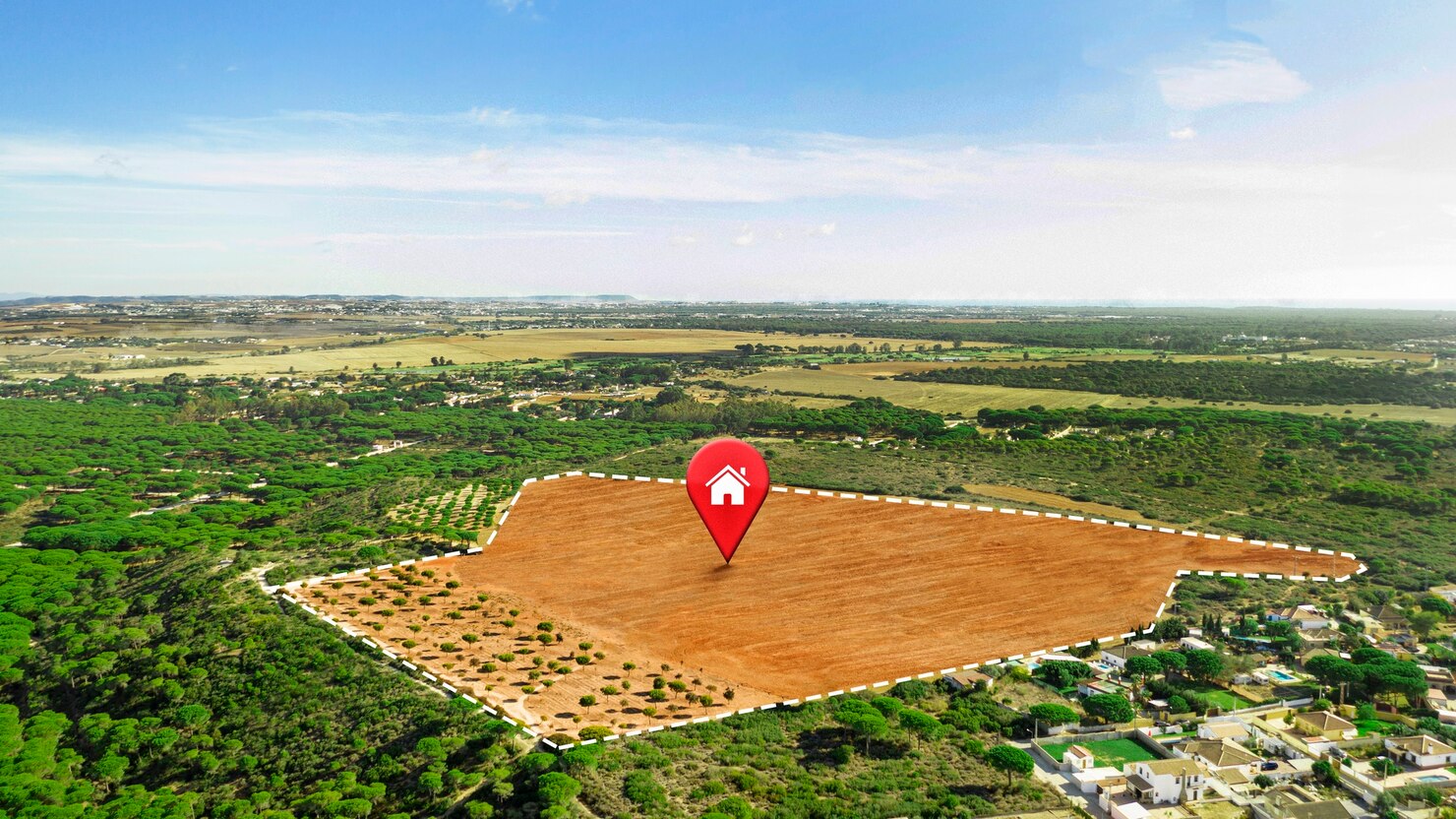
Capital Funding for Land Acquisition: The Complete Guide for Smart Investors
17 Apr , 2026
Explore expert solutions for land acquisition funding. Learn how to secure capital, reduce risk, and maximize returns with the right financial strategy.
The real estate market is just flipping into a new era of foundations. Investors, businesspeople, and real estate owners are just dying to buy the land. The reason is clear, and that can't be denied either. Land is the foundation of wealth. No matter if it's the Burj Khalifa or any other luxurious skyscraper, the foundation is land.
But let's be real.
Buying land is not difficult. Arranging a ton of money to buy it is not a piece of cake. Many investors miss golden opportunities not because they lack vision, but because they lack structured funding strategies.
If you've ever thought:
This guide answers everything practically, clearly, and without fluff.
Capital funding for land acquisition refers to raising financial resources to purchase land for:
Unlike home loans, land funding is treated differently because:
That's why lenders evaluate land deals more strictly.
But here's the interesting part:
Those who understand funding strategies control bigger deals with less personal capital.
In a world full of stocks, crypto, and fast-moving investments, land remains one of the most reliable and powerful assets. While trends change, land never goes out of demand. That's exactly what makes it a smart long-term play.
Let's understand why land investment still holds such a dominant position.
Unlike other assets, land is limited. No matter how much technology grows, no one can create more land.
At the same time:
This imbalance naturally drives prices upward over time.
Land has a proven track record of high fondness, especially in:
A piece of land bought today in an emerging area can multiply in value within a few years. Sometimes even faster than built properties.
Unlike buildings or rental properties, land doesn't demand:
You can hold it and wait for its value to grow. It's one of the least stressful investments out there.
Land gives you multiple income and growth opportunities:
This flexibility makes it far more versatile than most other investments.
Land is not a "quick money" game. People took the wrong perception about this. It's a wealth-building strategy.
Smart investors:
This approach helps in building generational wealth, not just short-term profits.
As inflation rises, so do land prices.
While money loses value over time, land typically:
That's why many investors treat land as a safe hedge against inflation.
With the right funding strategy, you don't always need full capital.
You can:
This allows you to control high-value assets with limited personal investment, increasing your potential returns.
Cities are expanding rapidly, especially in India.
New:
These developments increase demand for nearby land, making early investment highly profitable.
Here's the reality many won't tell you:
Most people don't fail in real estate because of bad deals.
They fail because of poor funding decisions.
Common issues:
This is why understanding funding sources is crucial.
Let's break down every realistic funding option available:
Traditional banks do provide loans for land, but with limitations.
Banks prefer residential plots in approved areas. Agricultural or disputed land? Almost impossible.
NBFCs have become major players in land financing.
This is where real estate becomes strategic.
Private investors fund land deals in exchange for:
Your presentation matters more than your idea.
A strong project pitch can unlock serious funding.
This is one of the smartest funding strategies in India.
Using your own funds is the safest approach.
Pooling funds with partners is another powerful strategy.
Still emerging in India, but gaining traction.
Getting capital for land acquisition isn't just about applying for a loan—it's about convincing lenders that your deal is safe, profitable, and worth the risk. Banks, NBFCs, and private investors all follow strict evaluation criteria before approving funding. If you understand these factors, your chances of approval increase significantly.
Let's break down what actually matters.
This is the first thing any lender looks at.
A well-located property automatically reduces risk.
Land near:
It is considered more valuable and easier to fund.
Not all land is treated equally.
Lenders classify land into:
Also, if the land is already converted for the intended use, approval becomes smoother.
This is a deal-breaker.
Even a small legal issue can lead to instant rejection.
Lenders verify:
If the land is not legally clean, funding won't happen—simple as that.
LTV defines the percentage of land value a lender is willing to fund.
Typically:
This means you must arrange the remaining amount as a down payment.
Lenders don't just evaluate the land—they evaluate you.
Key factors include:
A strong financial profile increases trust and approval chances.
Why are you buying the land?
This matters more than most people think.
If you can show a clear plan and future use, funding becomes easier.
Especially for large deals, lenders want to see:
A well-prepared project report can make a huge difference.
At the end of the day, lenders care about one thing: can you repay?
They assess:
If your repayment capacity looks weak, approval becomes difficult—even if the land is good.
Yes, timing matters.
During:
Lenders adjust their risk appetite in response to market conditions.
If you're a builder or investor, your past matters.
Let's not sugarcoat it.
You often need 30%–50% upfront.
Land verification can delay deals.
A short repayment period increases the EMI burden.
Land use restrictions can kill projects.
If you want approvals faster, follow this:
Even if you're buying for investment, show:
Avoid:
A 700+ score significantly increases approval chances.
Don't try to fund everything on your own.
Lenders love numbers.
Explain:
Timing matters more than people think.
| Factor | Land Funding | Property Funding |
| Risk Level | High | Moderate |
| Interest Rate | Higher | Lower |
| Loan Tenure | Short | Long |
| Approval | Difficulty | Tough Easier |
| ROI Timeline | Long-term | Medium-term |
Many investors lose money due to these mistakes:
The market is evolving fast.
Faster approvals with minimal paperwork.
Multiple investors own parts of land.
More flexible funding options.
Boosting land demand in emerging areas.
Smart businesses don't just buy land; they leverage it.
They:
This is how small investors become real estate players.
Here's a truth most people ignore:
Your funding structure decides:
Still confused about:
The right financial strategy can save you lakhs and multiply your returns. Consult experts today and turn your land acquisition into a profitable opportunity.
The document discusses the evolving real estate market, emphasizing the critical role of land as a foundational asset. It argues that while acquiring land is straightforward, securing sufficient capital for such purchases is challenging for many investors due to the strict expectations of lenders. The guide provides insights into capital funding strategies for land acquisition in India, addressing common queries regarding financing options.
Capital funding for land acquisition involves gathering financial resources for diverse purposes including residential and commercial development. Unlike home loans, land funding is classified as a speculative asset with lenders applying stricter evaluation criteria due to its lack of immediate income generation and reliance on future development potential.
The document outlines several reasons why land investment remains a powerful asset, noting limited supply combined with increasing demand due to urbanization in India. Key advantages include strong appreciation potential, low maintenance costs, flexible usage options, and a hedge against inflation. Smart investors capitalize on rising land values by making early investments in growth areas.
The guide also details various capital funding options for land acquisition in India, such as bank loans, NBFC funding, private investments, joint ventures, internal funding, real estate partnerships, and crowdfunding. Each option has its advantages and limitations, catering to different investor scenarios.
Additionally, the document highlights key factors influencing funding approval, including land location, type and usage classification, and legal clarity. Overall, understanding these elements is crucial for securing financing and successfully navigating land acquisition in India.
Recent Post
Any Query? Reach Us
 Business
Money
Funding
Loan
Lending
Startup
Term Loan
Capital
NPA Funding
OTS Funding
Business
Money
Funding
Loan
Lending
Startup
Term Loan
Capital
NPA Funding
OTS Funding
Business
Money
Funding
Loan
Lending
Startup
Term Loan
Capital
NPA Funding
OTS Funding
Business
Money
Funding
Loan
Lending
Startup
Term Loan
Capital
NPA Funding
OTS Funding
New Delhi Office
S - 100 Third Floor Greater Kailash - 2 New Delhi - 110048New Delhi Office 2
R-296A Ground Floor Greater Kailash - 1 New Delhi - 110048Singapore Office
1 Scotts Road #24-10 Shaw Centre Singapore 228208.jpg "https://www.easyconsultants.org/storage/blogs/1785323887-Untitled design (2).jpg")
.jpg "https://www.easyconsultants.org/storage/blogs/1784891528-Loan for Pharma Industry and Business at Easy Consultants (1).jpg")

.jpg "https://www.easyconsultants.org/storage/blogs/1784272768-Untitled design (32).jpg")